Domain II
Face
Proportion before intervention.
A study of harmony, structure and restraint — treating the face as an architecture to be preserved, not a canvas to be redrawn.
Philosophy
The face ages in layers — bone, fat, muscle and skin move at different rates, and treating only the surface rarely restores what was lost beneath it.
Every recommendation begins with what already works in a face, and asks the smallest possible question about what would help it hold its own proportions for longer.
The aim is a face that reads as rested and itself, not as a face that has visibly been treated.
From the Face Journal
Face
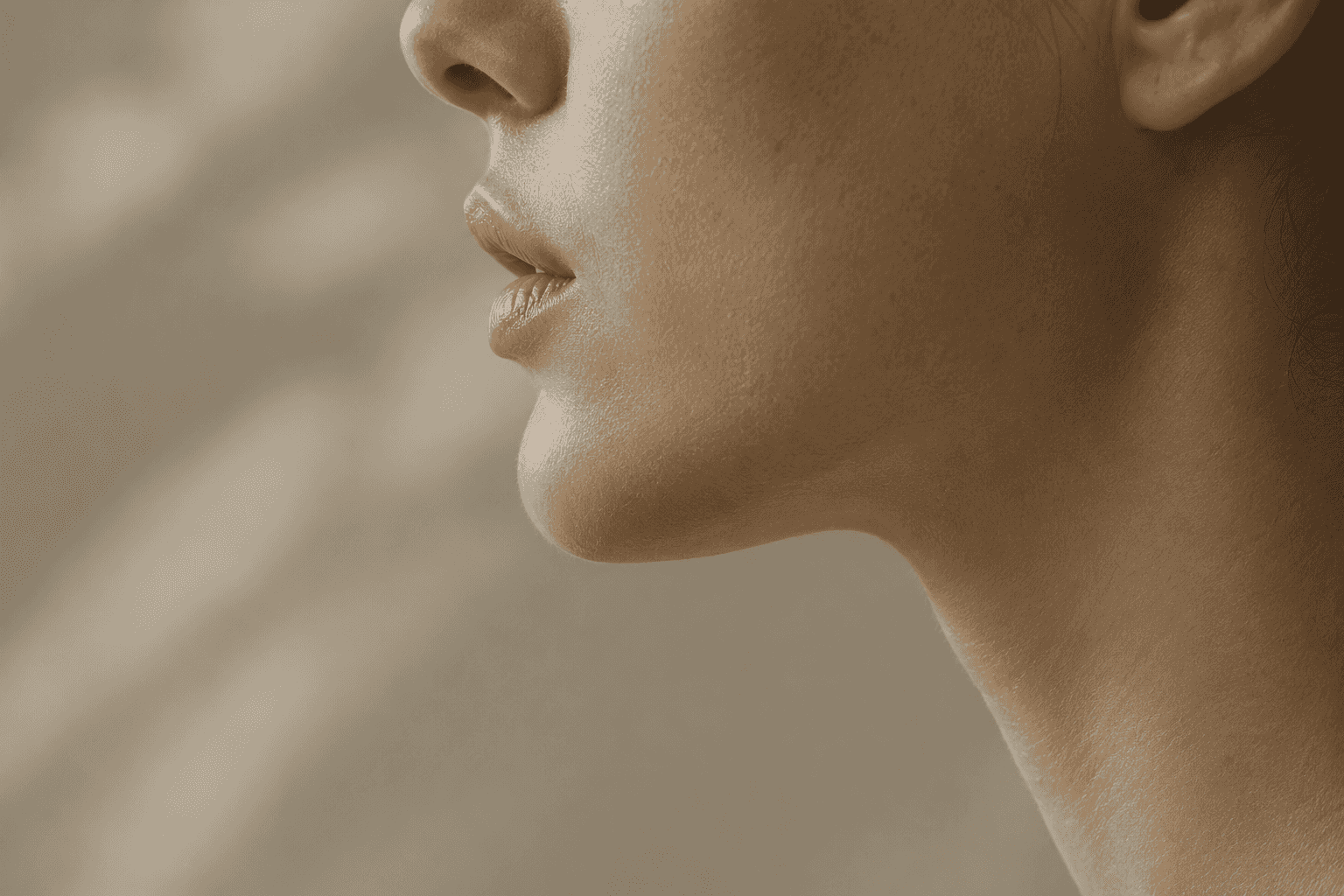
Profile Balance: The Case for Assessing Chin and Jaw Together
Chin and jaw are frequently treated as separate decisions. Assessed in profile, they are almost always one decision wearing two names.
· 6 min
Face
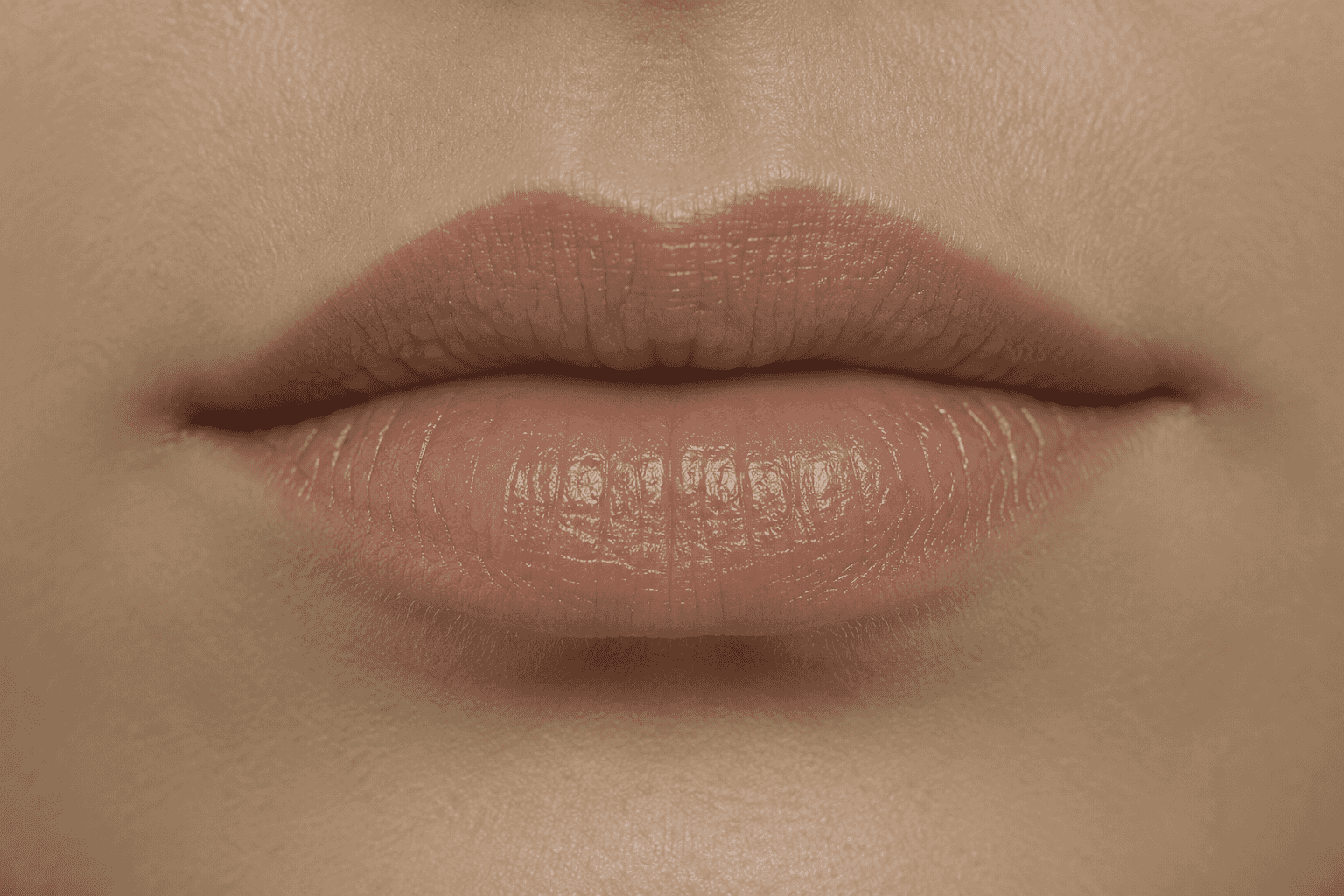
Lips in Proportion: Enhancement Without the Overfilled Look
Lip treatment has an unusually low tolerance for error — a millimetre of over-correction is often the difference between balanced and obviously done.
· 5 min

Face
Temple Hollowing: The Overlooked Structural Loss
The temple rarely gets mentioned in a first consultation, yet its loss of volume quietly changes the shape of the entire upper face.
· 5 min

Face
The Tear Trough, Explained: Why Not Every Hollow Needs Filler
Under-eye hollowing is one of the most requested treatments and one of the easiest to get wrong, because the visible hollow often has more than one cause.
· 6 min
Face
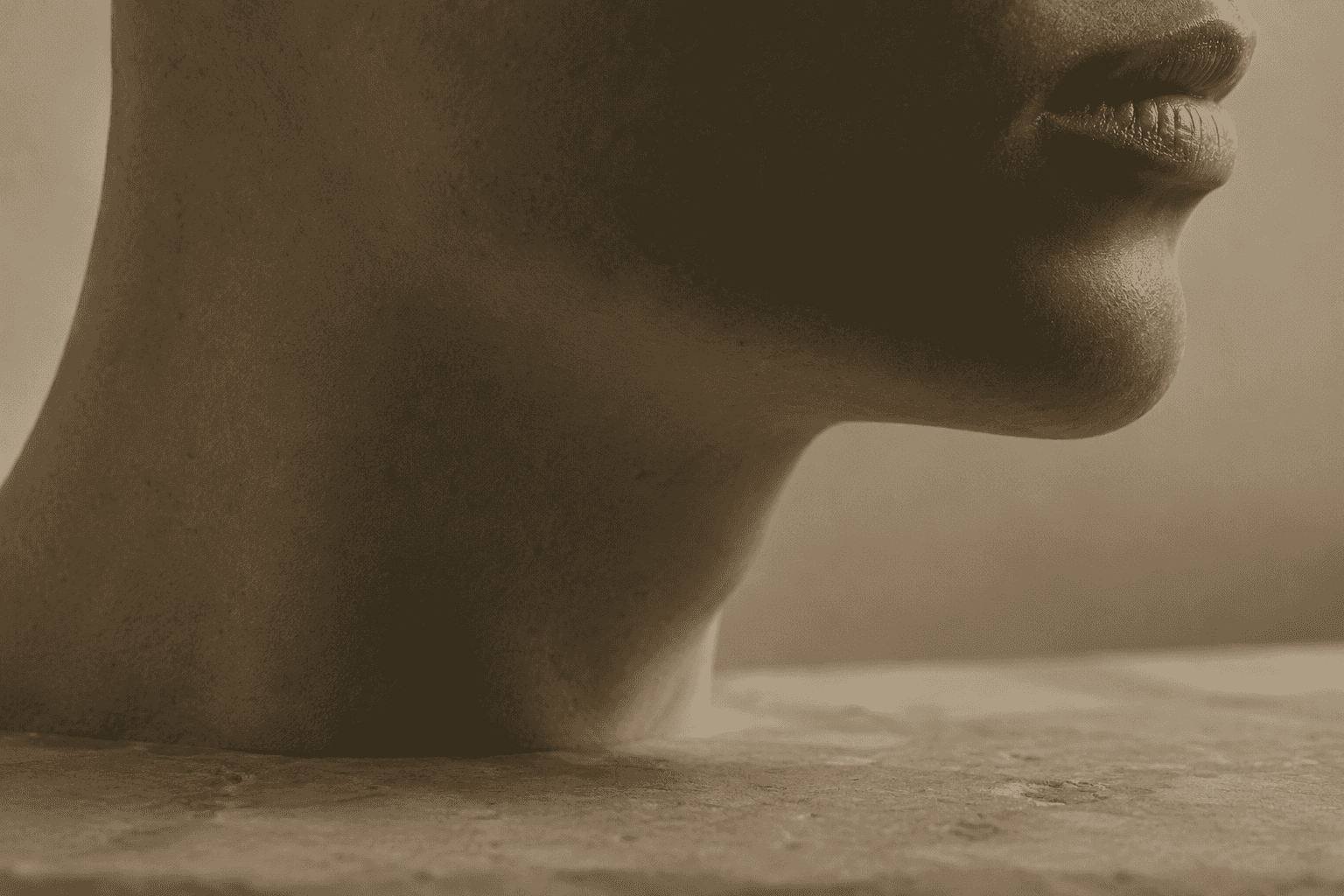
Jawline Definition Without Overfilling
A defined jawline is usually read as a matter of volume. More often, it's a matter of support — and the two call for very different treatment plans.
· 6 min

Face
Facial Asymmetry: Structural Baseline Versus Acquired Change
Near-perfect facial symmetry is rare. The useful question is not whether a face is asymmetric, but whether that asymmetry is lifelong or new — because the two call for entirely different responses.
· 6 min
Face
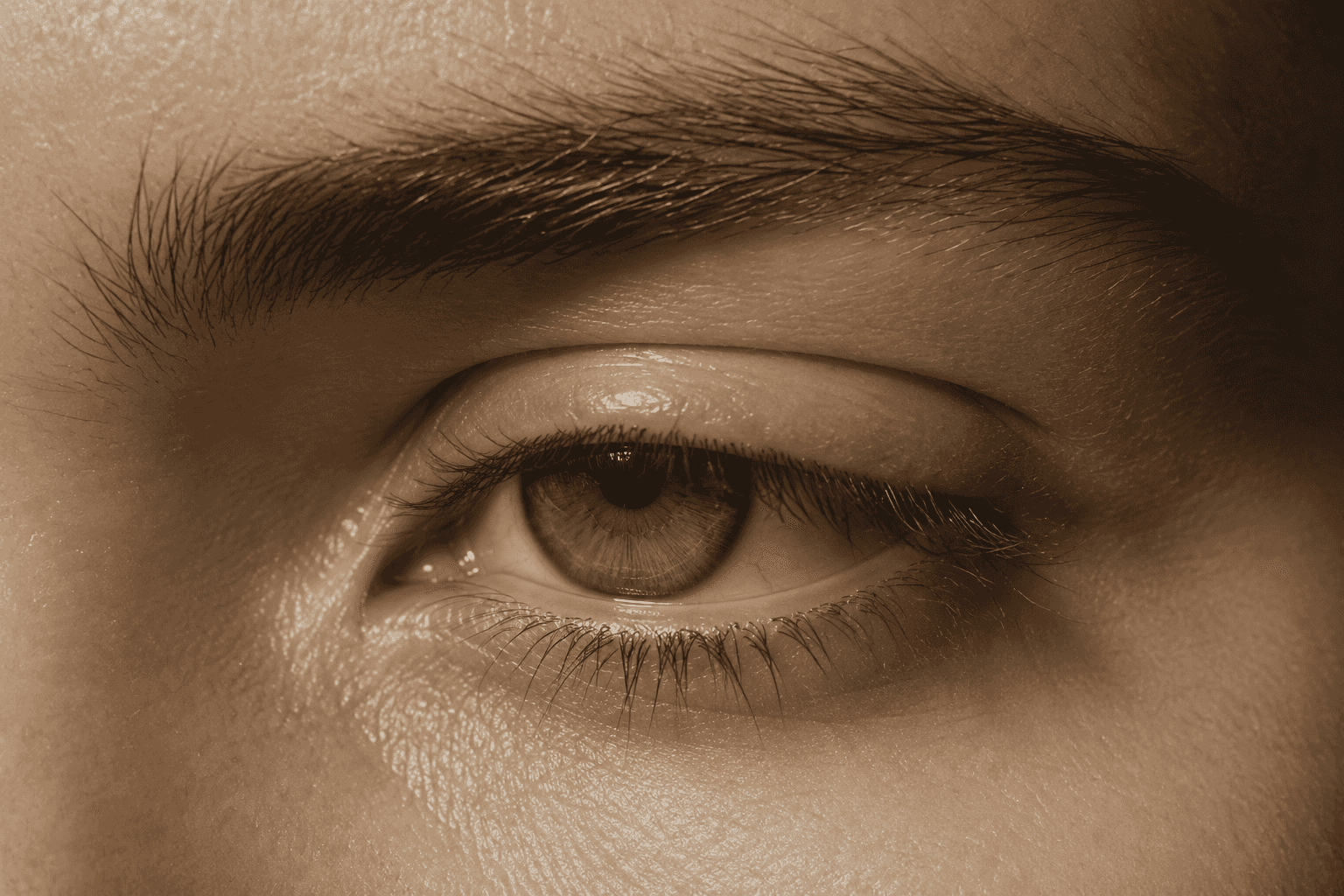
Brow Position: Descent, Compensation, and the Forehead's Role
A meaningful share of the forehead lines seen in consultation are not a forehead problem at all — they are the frontalis muscle's response to a brow that has already started to descend.
· 5 min

Face
Under-Eye Bags Versus Under-Eye Hollowing: Two Different Mechanisms
One is tissue pushing forward. The other is tissue receding. Both get called 'tired eyes,' and a treatment designed for one will not address — and may worsen — the other.
· 5 min
Face
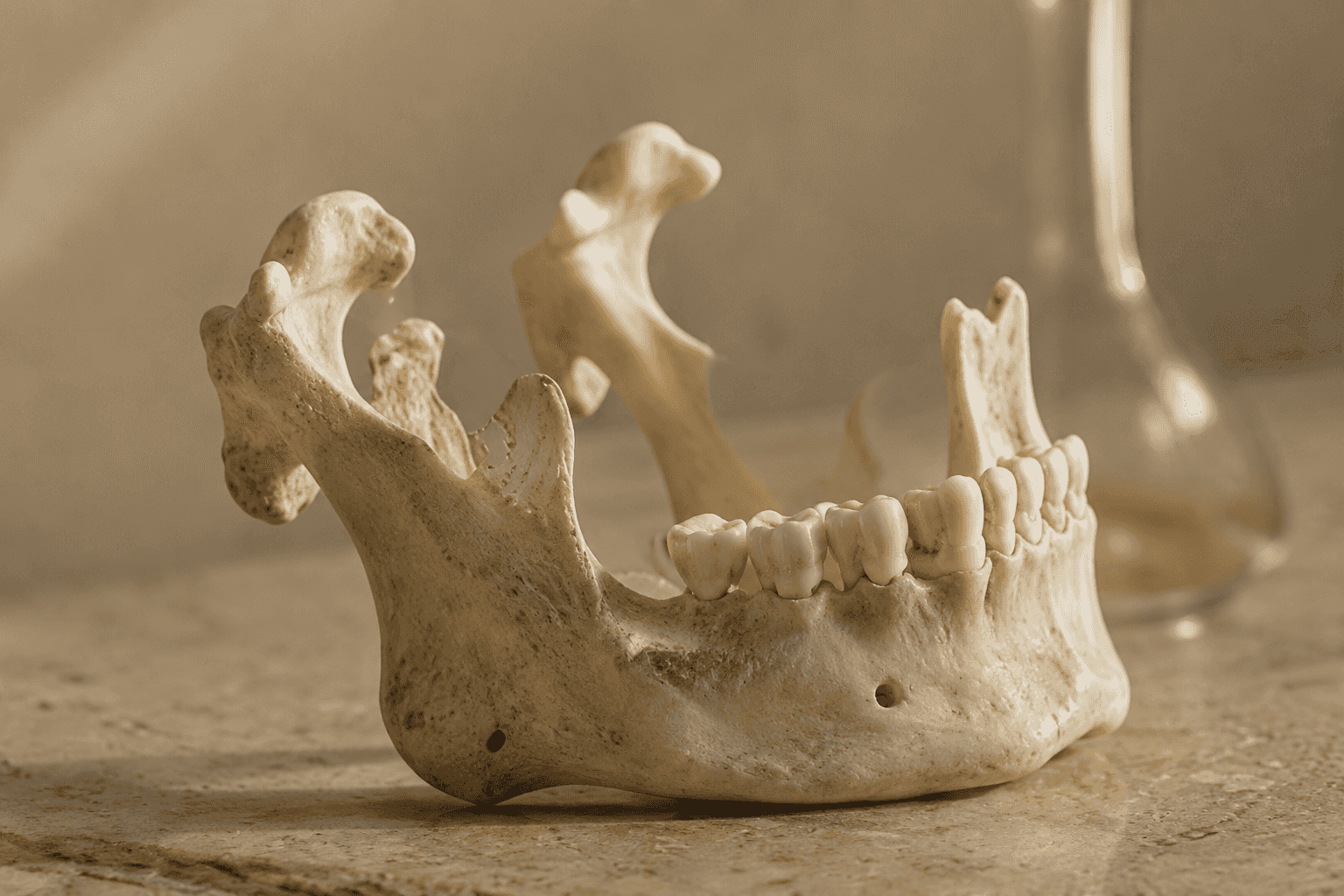
The Retaining Ligaments and the Jawline's Separate Timeline
The lower face does not sag evenly. It moves in discrete units, anchored and released at fixed ligamentous points — which is why a jawline can change dramatically while the rest of the face barely does.
· 5 min
Consultation
Begin with a consultation
Every plan starts with an individual assessment — no protocol is recommended before one.
Book a Consultation