Domain II
Face
Proportion before intervention.
A study of harmony, structure and restraint — treating the face as an architecture to be preserved, not a canvas to be redrawn.
Philosophy
The face ages in layers — bone, fat, muscle and skin move at different rates, and treating only the surface rarely restores what was lost beneath it.
Every recommendation begins with what already works in a face, and asks the smallest possible question about what would help it hold its own proportions for longer.
The aim is a face that reads as rested and itself, not as a face that has visibly been treated.
From the Face Journal

Face
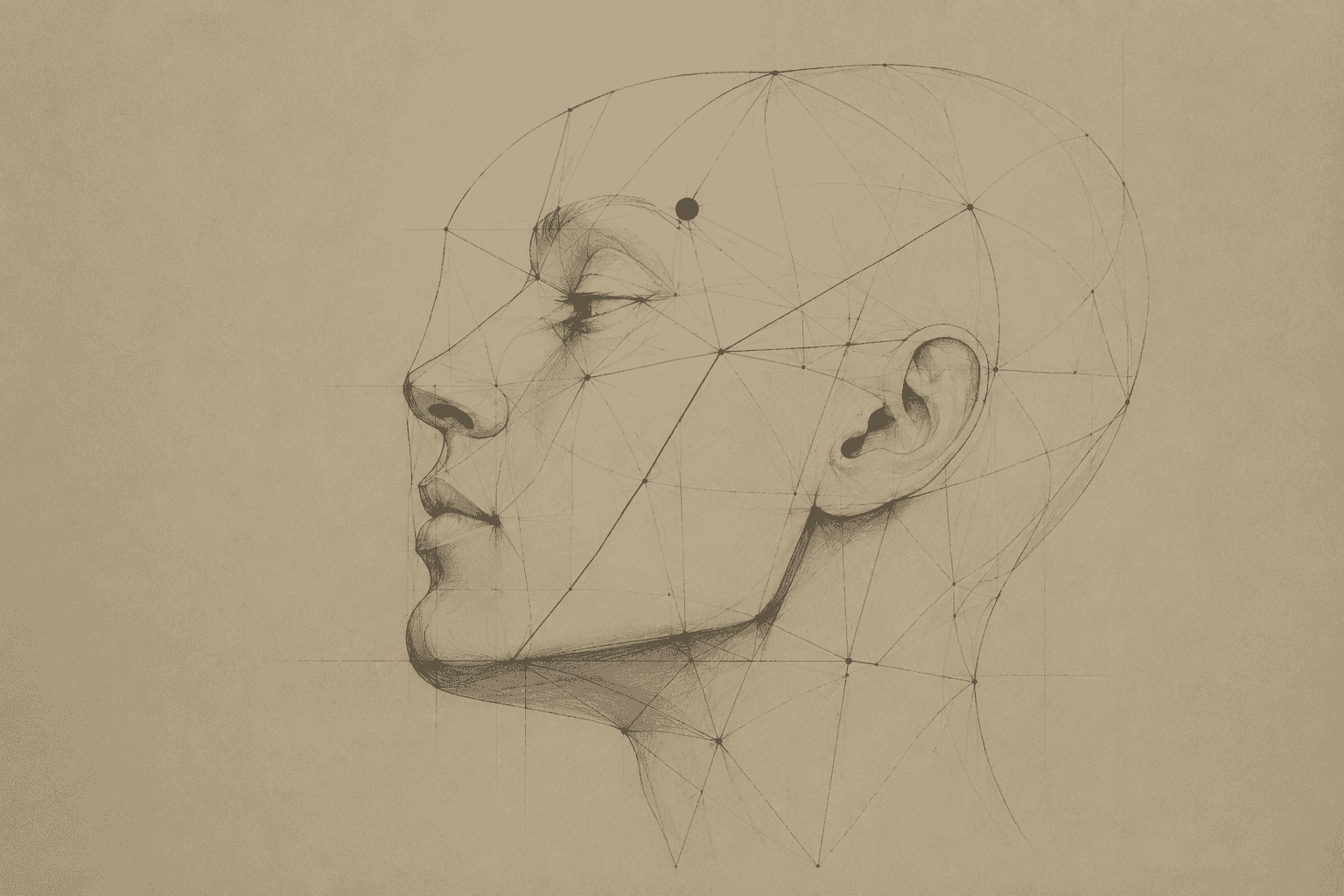
Dynamic Lines and Muscle Memory: How Expression Becomes Structure
A line that appears only when the face moves and a line that stays after it stops are not the same finding — the difference between them is mechanical, and it changes what a reasonable response looks like.
· 5 min
Face
How the Face Actually Ages: A Structural Framework
The face is not one surface ageing at one rate. It is a stack of independent structures — bone, fat, muscle, ligament, skin — each on its own timeline, and each requiring its own read before any of them are treated.
· 8 min

Face
Collagen and the Midface: Why the Center of the Face Changes First
The midface — the region spanning cheek, lower eyelid and upper lip — tends to show the first visible signs of ageing in most faces. The reason is a matter of biology and geometry as much as time.
· 6 min
Face
The Architecture of Loss: Bone, Fat and the Sequence of Facial Ageing
Facial ageing is often described as if it happened to the skin. In practice, the skin is usually the last thing to change — it is simply the layer we happen to be looking at.
· 6 min
Face
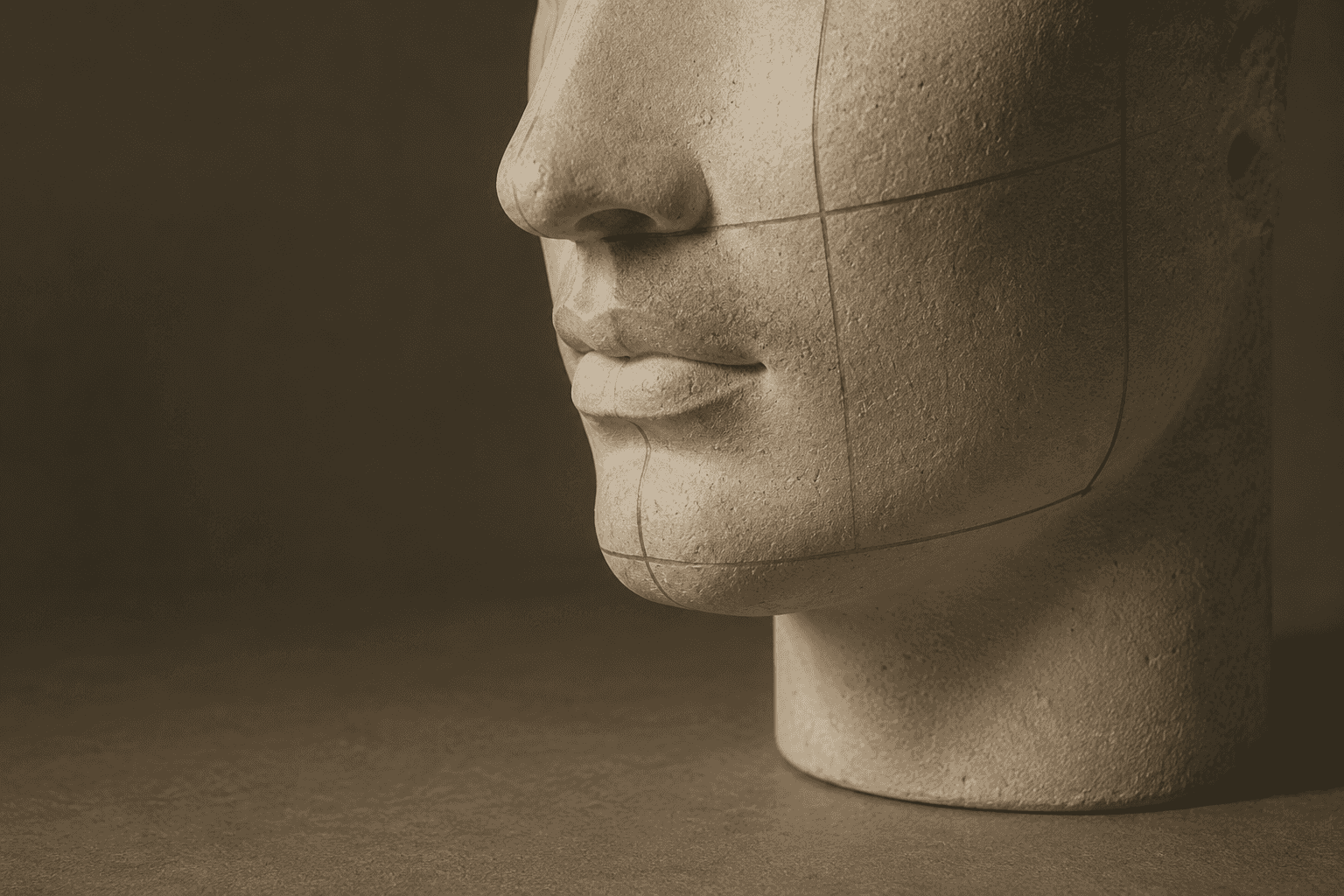
Facial Harmony: Why Proportion Outlasts Trend
Trends in facial aesthetics move in cycles of roughly a decade. Proportion, by contrast, does not go out of style — because it was never a style to begin with.
· 5 min

Face
The Quiet Face: A Philosophy of Undetectable Renewal
On why the most considered facial work is the kind no one notices — and how proportion, not volume, is the real measure of a good result.
· 6 min
Consultation
Begin with a consultation
Every plan starts with an individual assessment — no protocol is recommended before one.
Book a Consultation