Scalp Health: The Foundation Before the Follicle
Most hair density conversations start at the follicle. The more useful conversation starts one layer up, at the scalp environment the follicle depends on.
· 5 min

A follicle does not operate in isolation. It sits within a scalp environment shaped by circulation, sebum production, microbial balance and low-grade inflammation — all of which influence whether that follicle can sustain a healthy growth cycle, regardless of what's applied directly to the hair itself.
Circulation and the growth cycle
Hair follicles rely on blood flow to deliver the oxygen and nutrients that sustain the active growth phase. Reduced scalp circulation — from tension, certain hairstyling practices, or simply age-related vascular change — can shorten that active phase even in the absence of any hormonal driver of thinning.
Inflammation, the quiet disruptor
Low-grade scalp inflammation — from product buildup, an imbalanced microbiome, or underlying dermatological conditions like seborrheic dermatitis — can disrupt the follicle's cycle without producing obvious symptoms like itching or visible flaking in every case.
Treating the follicle while ignoring the scalp it lives in is like fertilising a plant in poor soil and blaming the seed.
A basic scalp health routine
- Regular, thorough cleansing suited to sebum production — under-cleansing and over-cleansing both disrupt the scalp barrier
- Periodic exfoliation to prevent buildup, at a frequency appropriate to individual scalp type
- Attention to hairstyling tension — tight, repeated styles are a well-documented contributor to a specific pattern of thinning at the hairline and temples
- Addressing any diagnosed dermatological condition directly, rather than treating its symptoms with cosmetic products alone
Scalp assessment is a standard, low-cost first step that should generally precede more intensive hair density interventions — it is often the more tractable problem, and resolving it can materially improve the results of any subsequent treatment. It pairs naturally with attention to the early signs of thinning themselves, since catching a change early gives any scalp-level intervention more to work with.
Frequently Asked Questions
How can I tell if my hair thinning is scalp-related versus hormonal?
The two are not mutually exclusive and often coexist, but a scalp examination — checking for inflammation, buildup, or tension patterns — combined with bloodwork can usually clarify how much each factor is contributing.
Is scalp exfoliation safe to do regularly?
In moderation, yes, and it's beneficial for most scalp types. The appropriate frequency varies by sebum production and any underlying sensitivity, which is best assessed individually rather than following a generic schedule.
Can improving scalp health alone reverse thinning?
It can improve outcomes and, in cases where scalp factors were the primary driver, can meaningfully slow or partially reverse thinning. Where hormonal or genetic factors are also significant, scalp health is best treated as one part of a broader plan.
Does hairstyle tension cause permanent hair loss?
If caught early, tension-related thinning (traction alopecia) is often reversible by changing styling habits. Left unaddressed over years, it can progress to permanent follicle loss in the affected areas, which is why early recognition matters.
Clinical Perspective
By Dr. Gan Lee Ping
A scalp examination is one of the more overlooked parts of a hair consultation, and I've come to treat it as a mandatory first step rather than an optional add-on. Circulation, inflammation and tension patterns from styling all shape what a follicle can do, independent of the hormonal picture that usually gets discussed first.
I've seen tension-related thinning at the hairline mistaken for a hormonal pattern more than once, and the distinction matters because the two respond to entirely different interventions. Addressing the scalp environment first is rarely dramatic, but it's often the more tractable problem, and it tends to improve the results of whatever comes after it.
Selected References
1. Klemp P, Peters K, Hansted B. Subcutaneous blood flow in early male pattern baldness. J Invest Dermatol. 1989;92(5):725-726.
2. Pitney L, Weedon D, Pitney M. Is seborrhoeic dermatitis associated with a diffuse, low-grade folliculitis and progressive cicatricial alopecia? Australas J Dermatol. 2016;57(3):e105-e107.
3. Billero V, Miteva M. Traction alopecia: the root of the problem. Clin Cosmet Investig Dermatol. 2018;11:149-159.
About Dr. Gan Lee Ping
Dr. Gan Lee Ping is a Singapore aesthetic doctor with a clinical interest in facial anatomy, evidence-based aesthetic medicine, and natural-looking outcomes. Her educational articles focus on helping readers understand the anatomy, ageing processes and evidence behind aesthetic medicine so they can make informed decisions.
Consultation
Begin with a consultation
Every plan starts with an individual assessment — no protocol is recommended before one.
Book a ConsultationRelated in the Journal
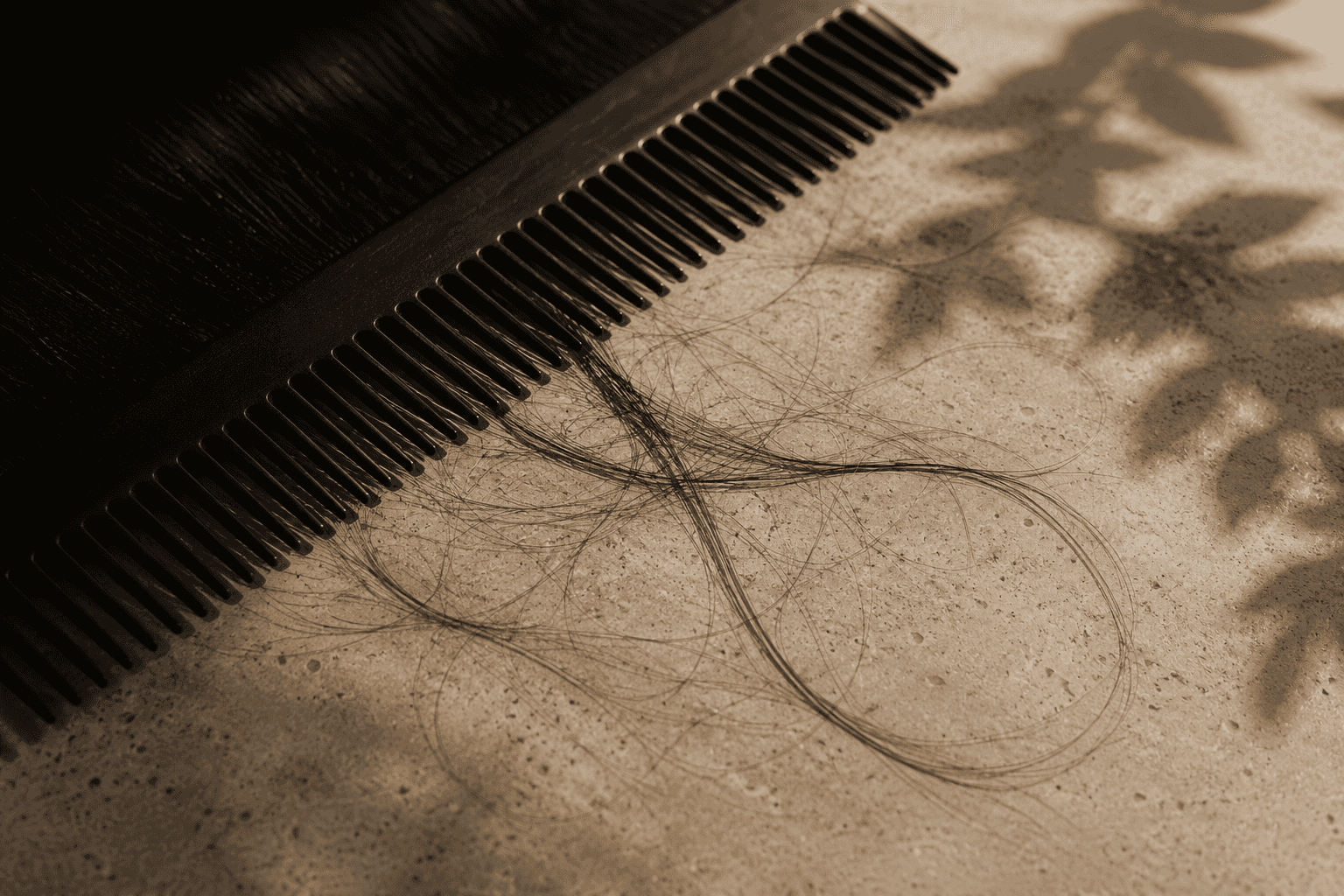
Hair
The Early Signs of Hair Thinning Most People Miss
By the time thinning is obvious in a photograph, the underlying process has often been active for a year or more. The earlier signs are quieter and easy to dismiss.
· 5 min
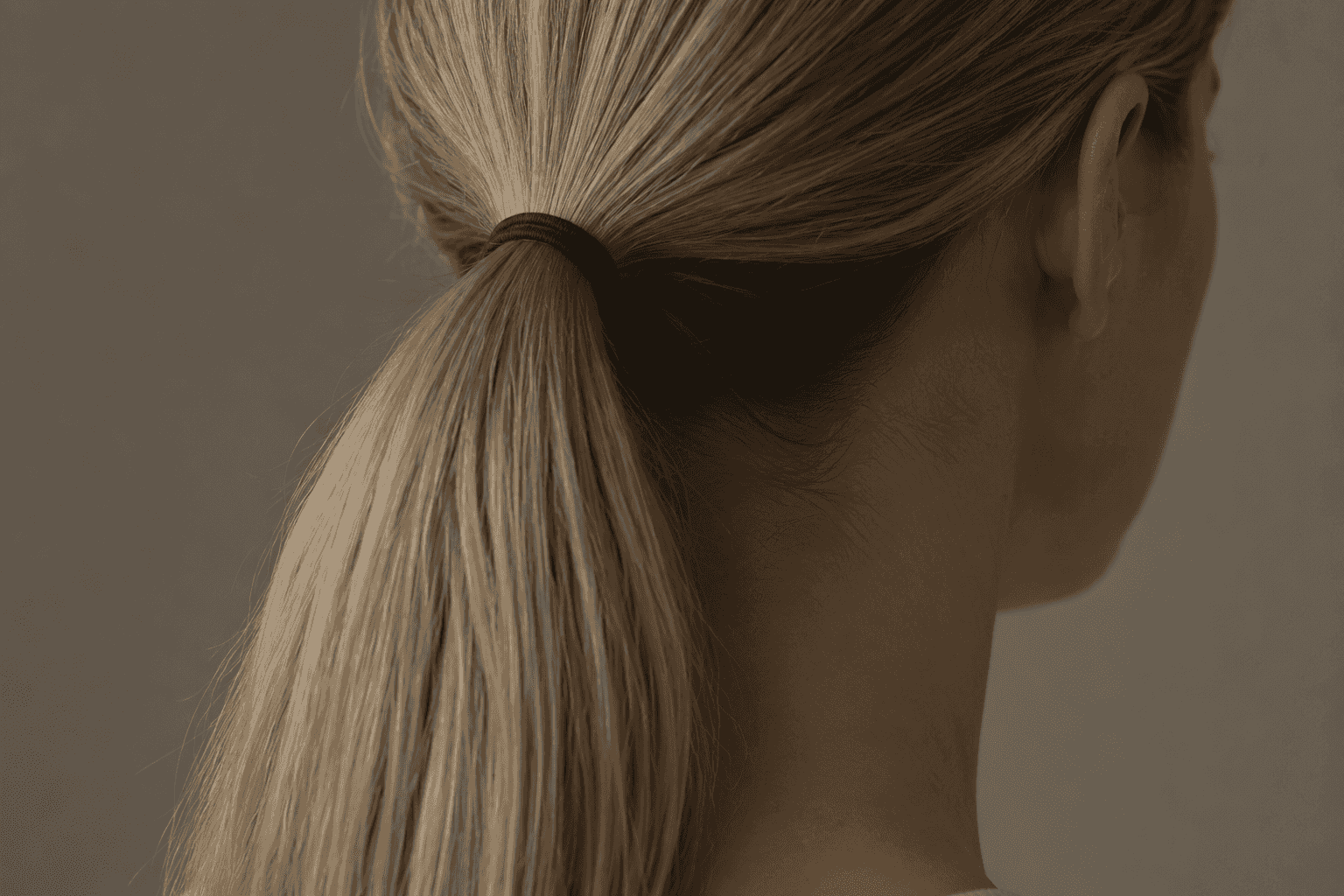
Hair
The Curious Case of Erling Haaland and Traction Alopecia: What Tight Ponytails Do to the Hairline
A footballer's tied-back hair is an unlikely but genuinely useful lens for understanding tight ponytail hair loss — the mechanics of traction alopecia, and what protects a hairline built to withstand years of repeated tension.
· 7 min
Hair
Sudden Hair Shedding After GLP-1 Weight Loss or Stress: How to Stop Acute Telogen Effluvium
A sudden increase in hair shedding two to three months after a major physical or emotional stressor — including rapid weight loss on a GLP-1 medication — has a name, a known timeline, and, in most cases, a genuinely reassuring prognosis.
· 7 min